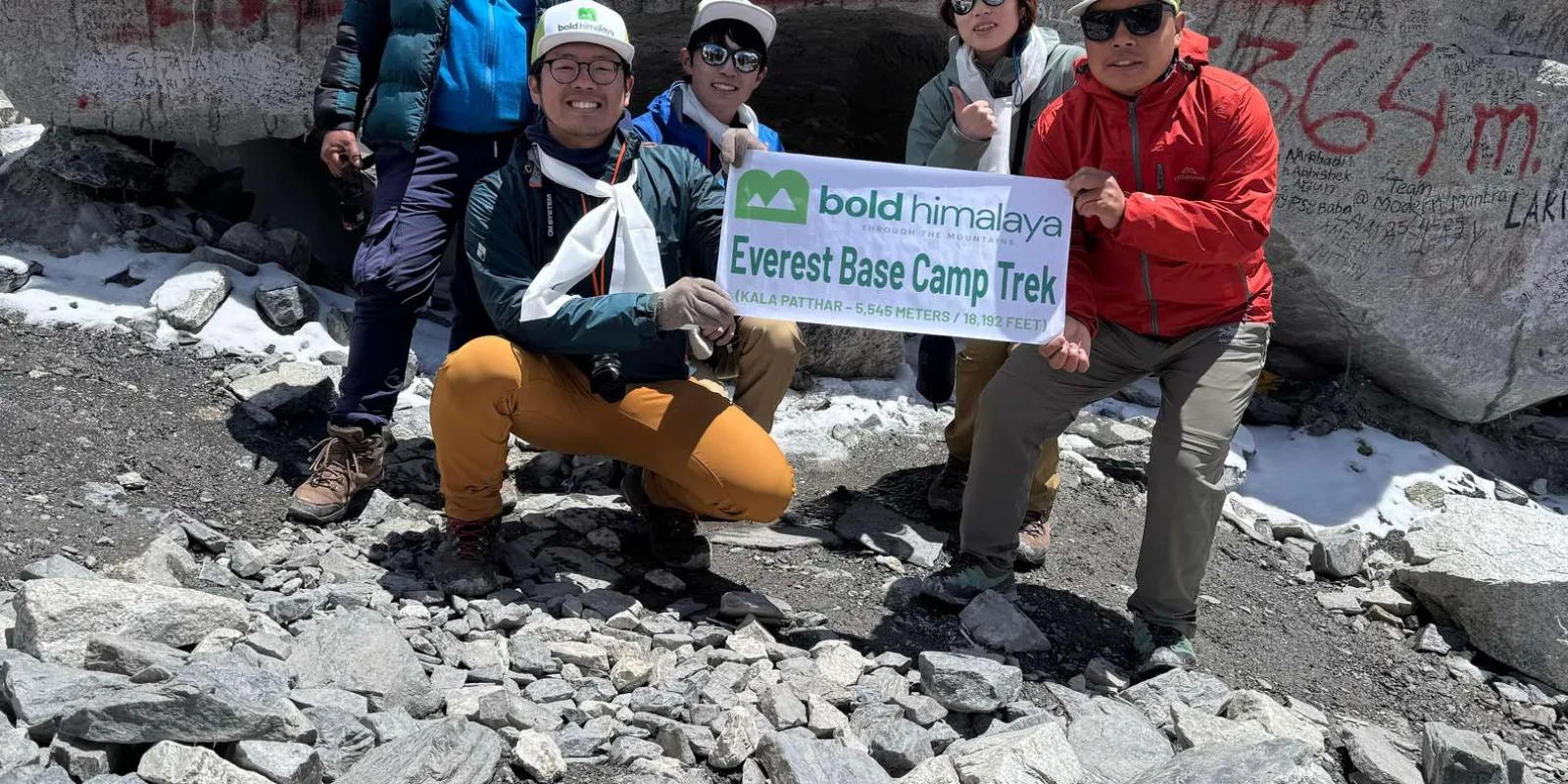
"My 12-day trek to Everest Base Camp and Kala Patthar was an incredible experience. I traveled with my guide, Padam, which made the journey even more personal and flexible. He did an outstanding job organizing everything—from accommodations to meals—and provided constant support and expert advice in the high-altitude environment. The itinerary was perfectly designed for acclimatization, allowing me to adjust gradually while enjoying the stunning scenery and cultural experience of trekking through small Himalayan villages. Padam was not only highly professional but also personable, fun, and easygoing. His relaxed attitude made the entire trek enjoyable and stress-free. I couldn’t have asked for a better guide and would highly recommend this experience to anyone considering Everest Base Camp."
Nepal · Khumbu Region · Sagarmatha National Park
Everest Base Camp Trek — Guided, 9 to 14 Days from Kathmandu
A 12-day guided trek through the Khumbu to Everest Base Camp and Kala Patthar — licensed Sherpa guide, teahouse lodging, and national park permits included.
- 5.0 / 5 29+ Reviews
- 12 Days Duration
- 5,364m Max Altitude
- Licensed Sherpa Guide Local Expert
- Free Cancellation
The Experience
What Makes This Everest Base Camp Trek Special
A fully-supported 12-day guided trek through the Khumbu — built for real acclimatization, not a race to the top.
Highlights
- A 12-day Kathmandu-to-Kathmandu route to Everest Base Camp with two built-in acclimatization days
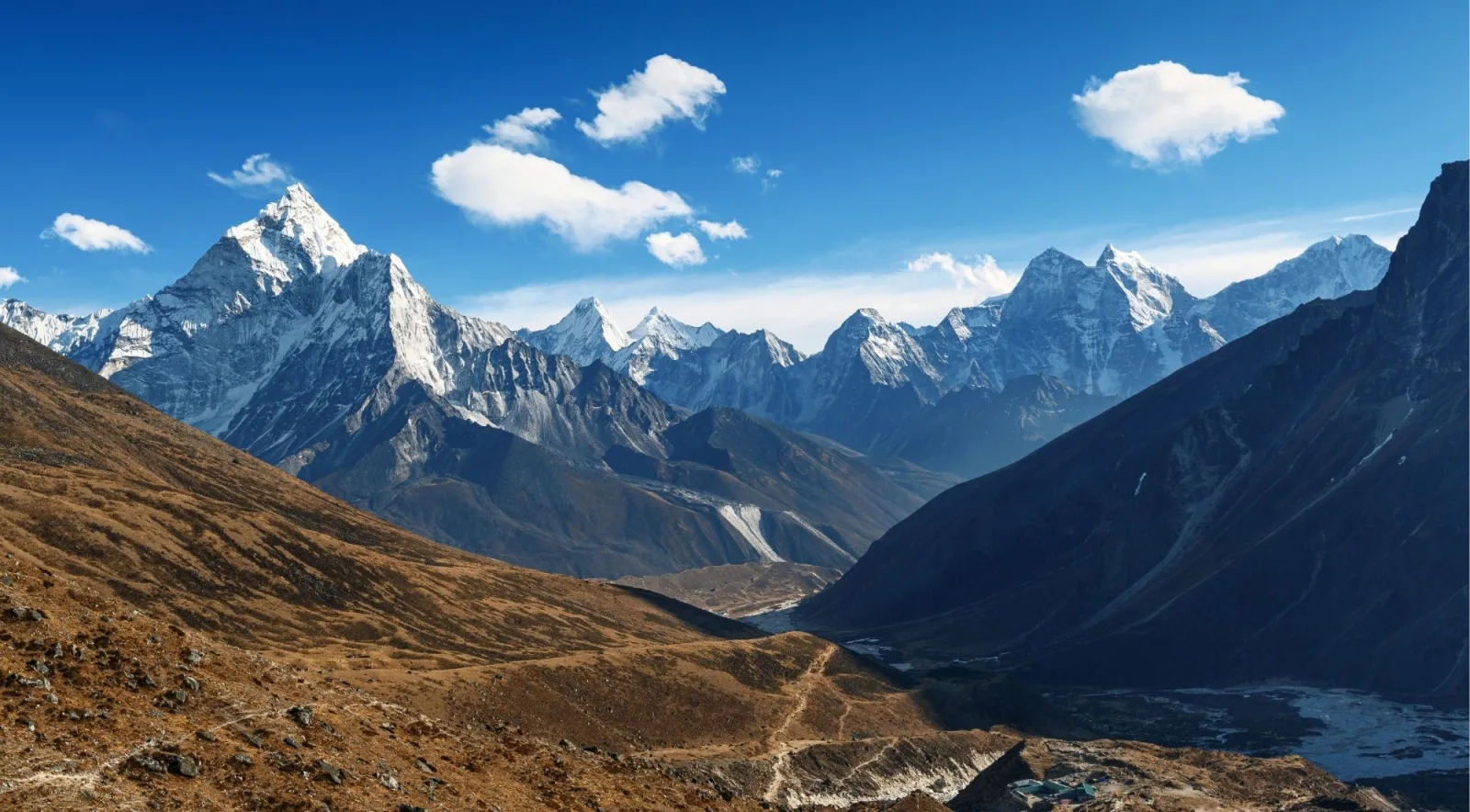
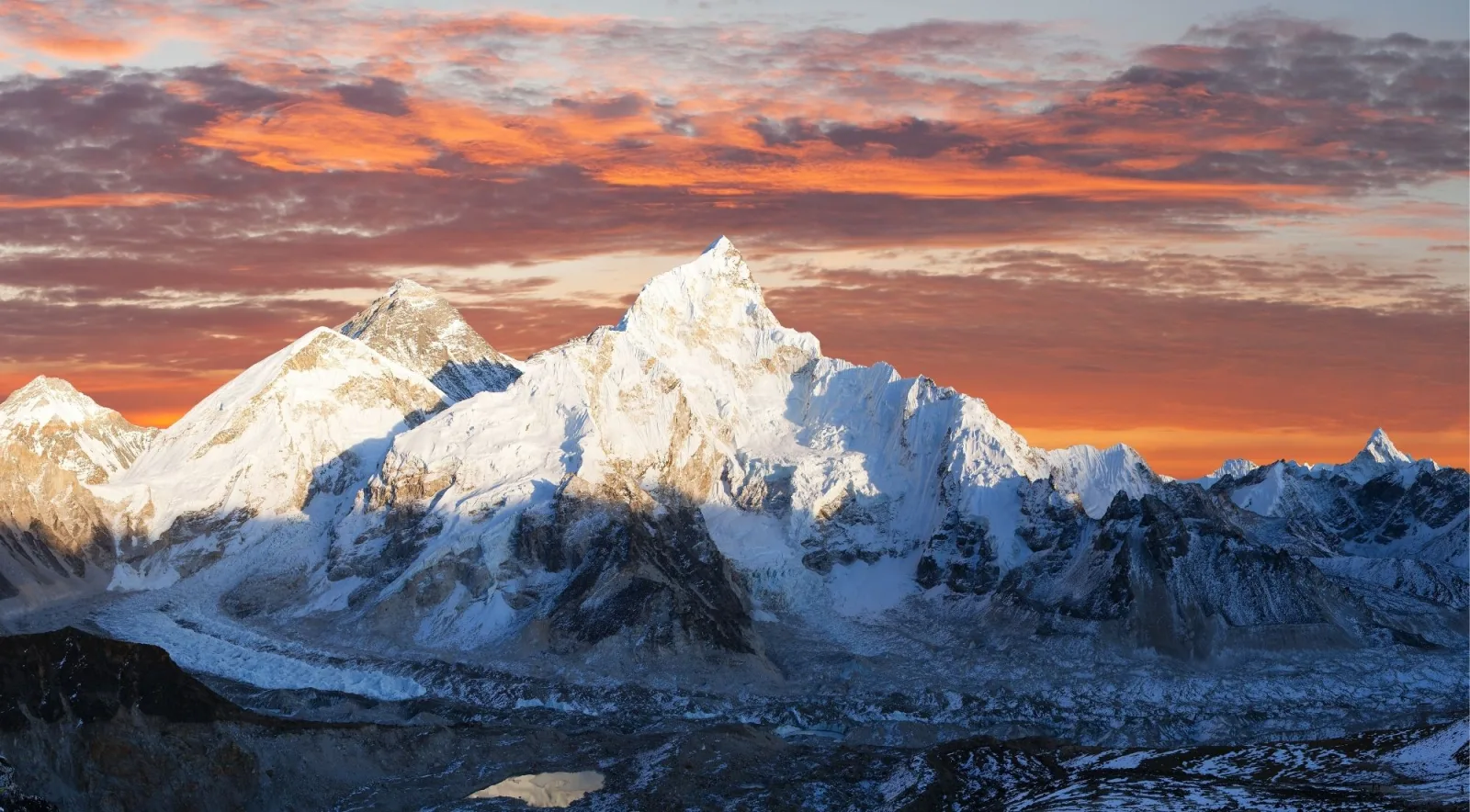
- Close-up views of Ama Dablam, Nuptse, Lhotse, and the Khumbu Icefall
- A pre-dawn hike to Kala Patthar for the clearest sunrise view of Everest's summit
- A licensed, experienced guide throughout the trek
What's Included
- Airport pickup and drop-off (international and domestic)
- Return domestic flight between Kathmandu and Lukla
- All necessary paperwork and national park entry permits
- All accommodation in lodges/teahouses during the trek
- An experienced, friendly guide, with salary, food, and accommodation covered
- Sagarmatha National Park entrance permit and fees
- Trekkers' Information Management System (TIMS) card fees
- Jacket, sleeping bag, and duffle bag to use, if requested
- All government taxes, VAT, and official service charges
How the Everest Base Camp Trek Works
From booking to Base Camp — here's exactly what to expect.
Choose Your Trek & Dates
Compare the 12-day, 14-day, and short EBC trek options, pick your Kathmandu departure date, and book with free cancellation up to 24 hours out.
Fly to Lukla, Meet Your Guide
An early flight from Kathmandu to Lukla's Tenzing–Hillary Airport, where your licensed Sherpa guide meets you and the trek begins.
Trek Through the Khumbu
Namche Bazaar, Tengboche Monastery, Dingboche, and Lobuche — with acclimatization days built in so your body adjusts to the altitude.
Reach Base Camp & Kala Patthar
Stand at 5,364m beside the Khumbu Icefall, then climb Kala Patthar at sunrise for the classic, unobstructed view of Everest's summit.
Photo Gallery
The Khumbu in Photos
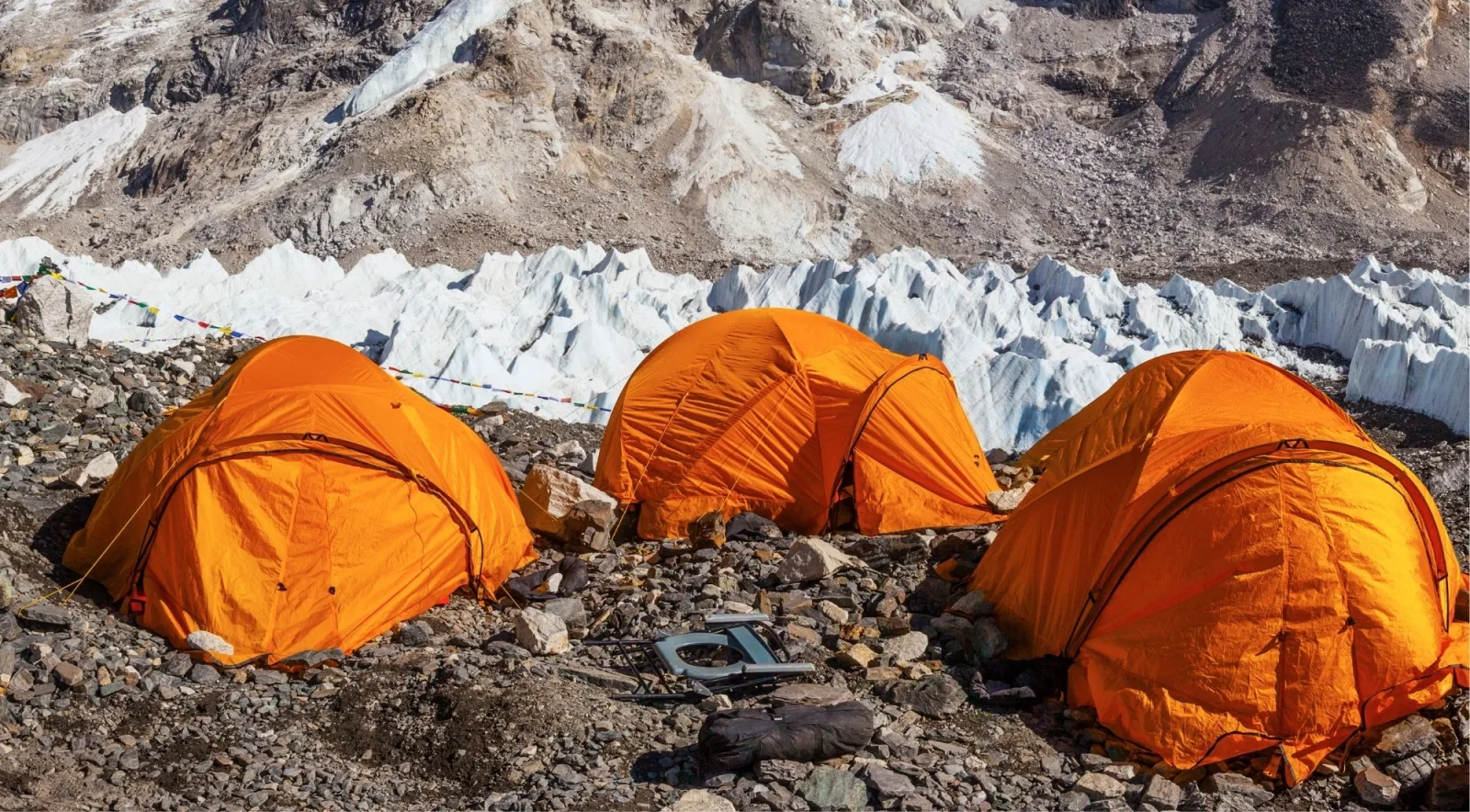
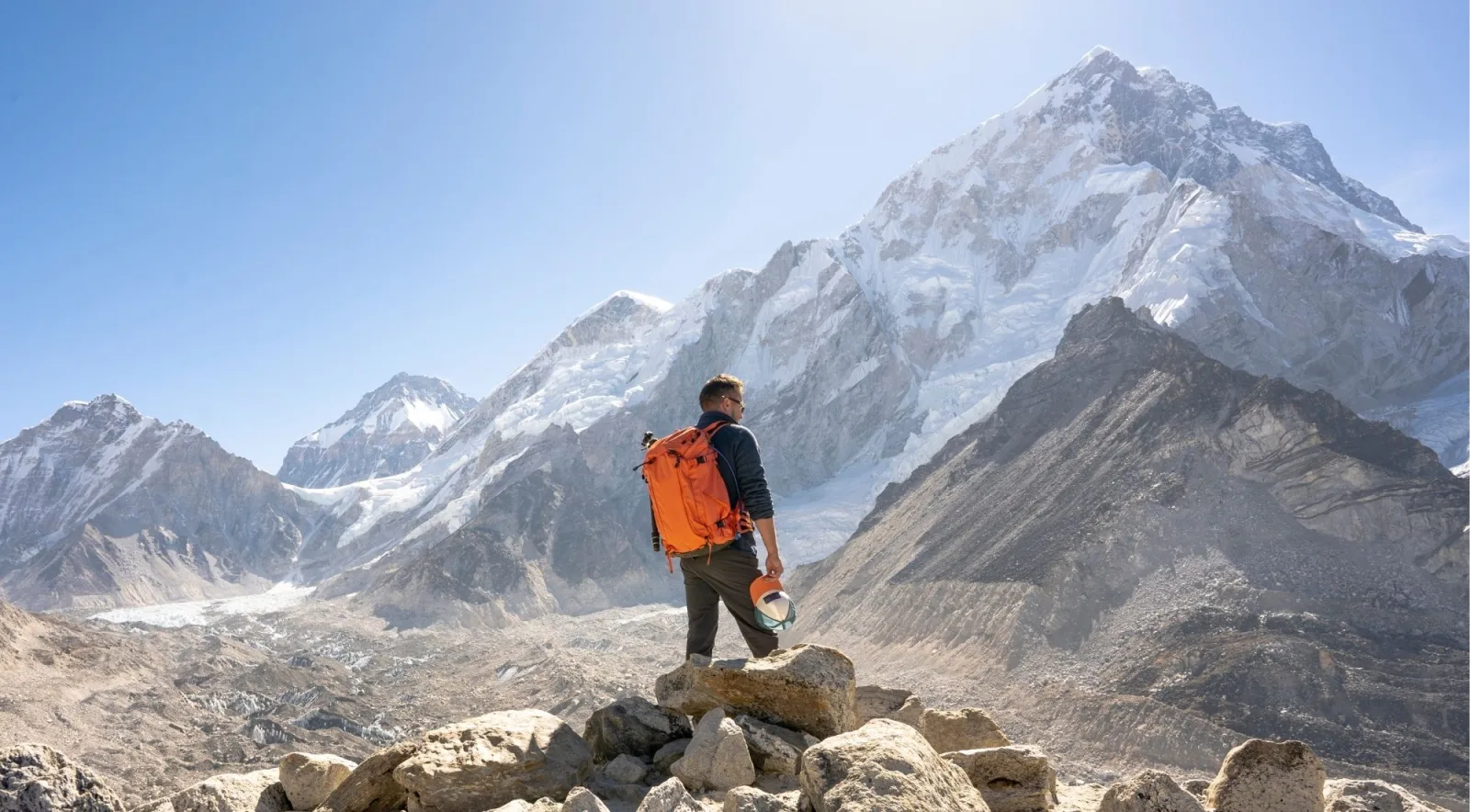
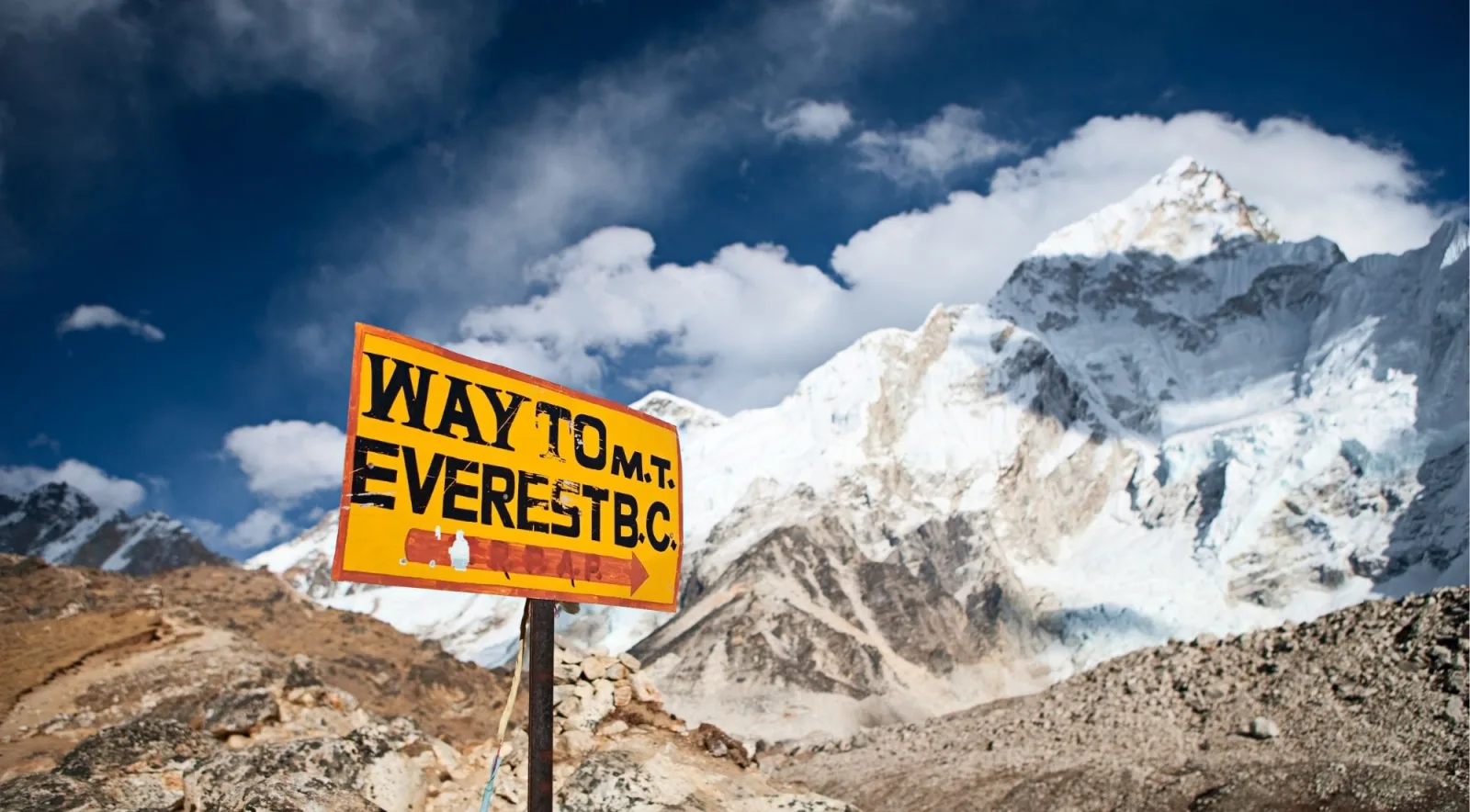
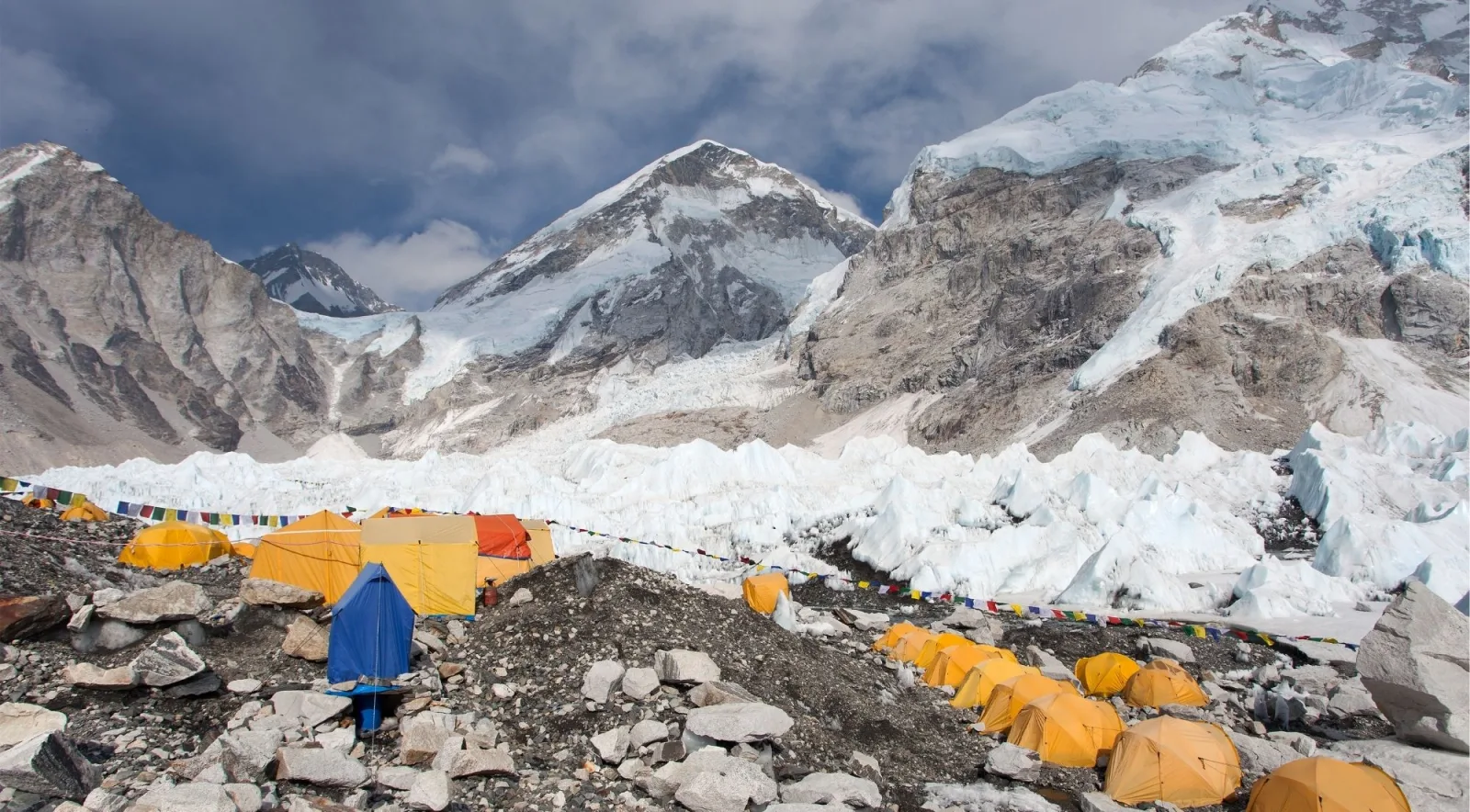
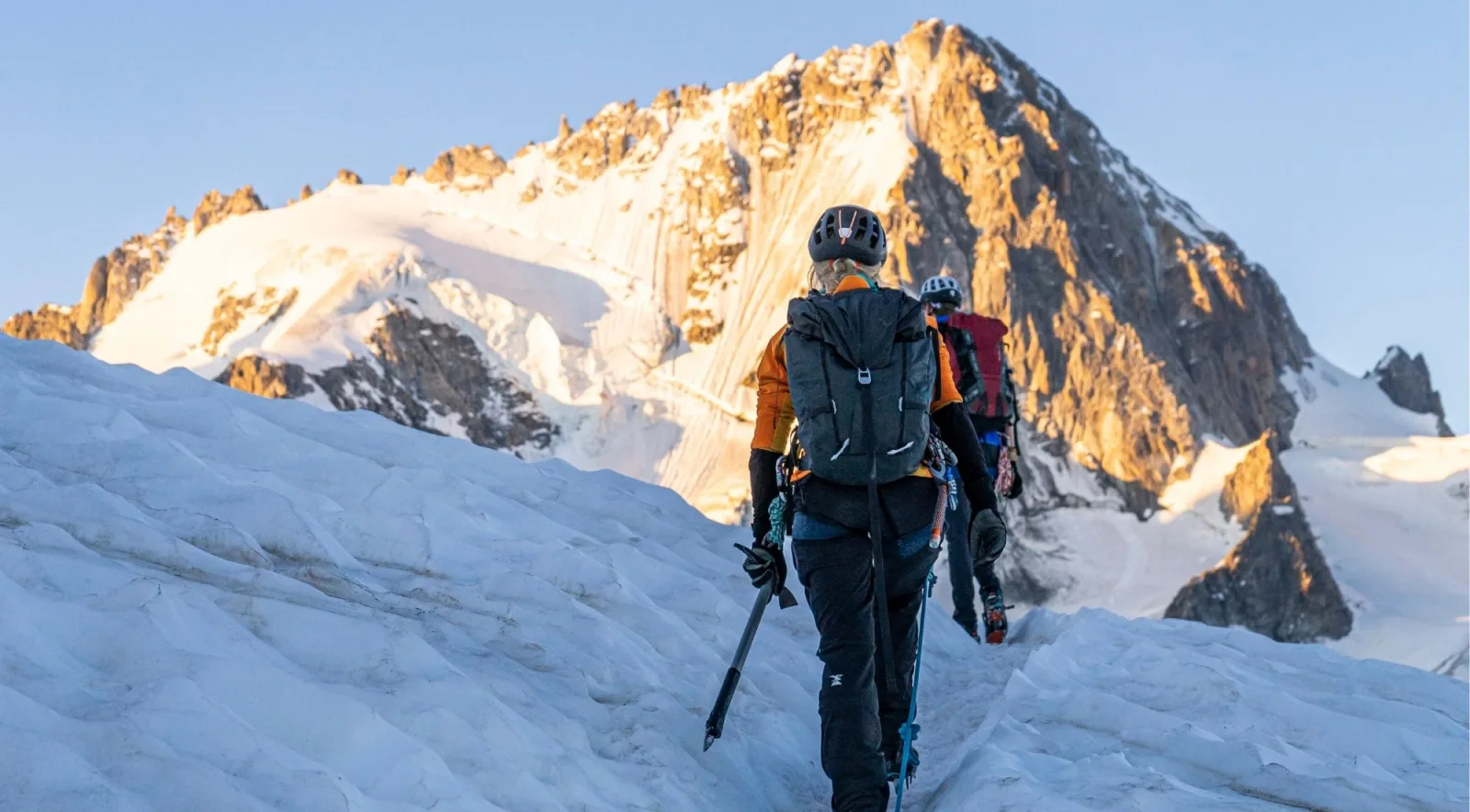
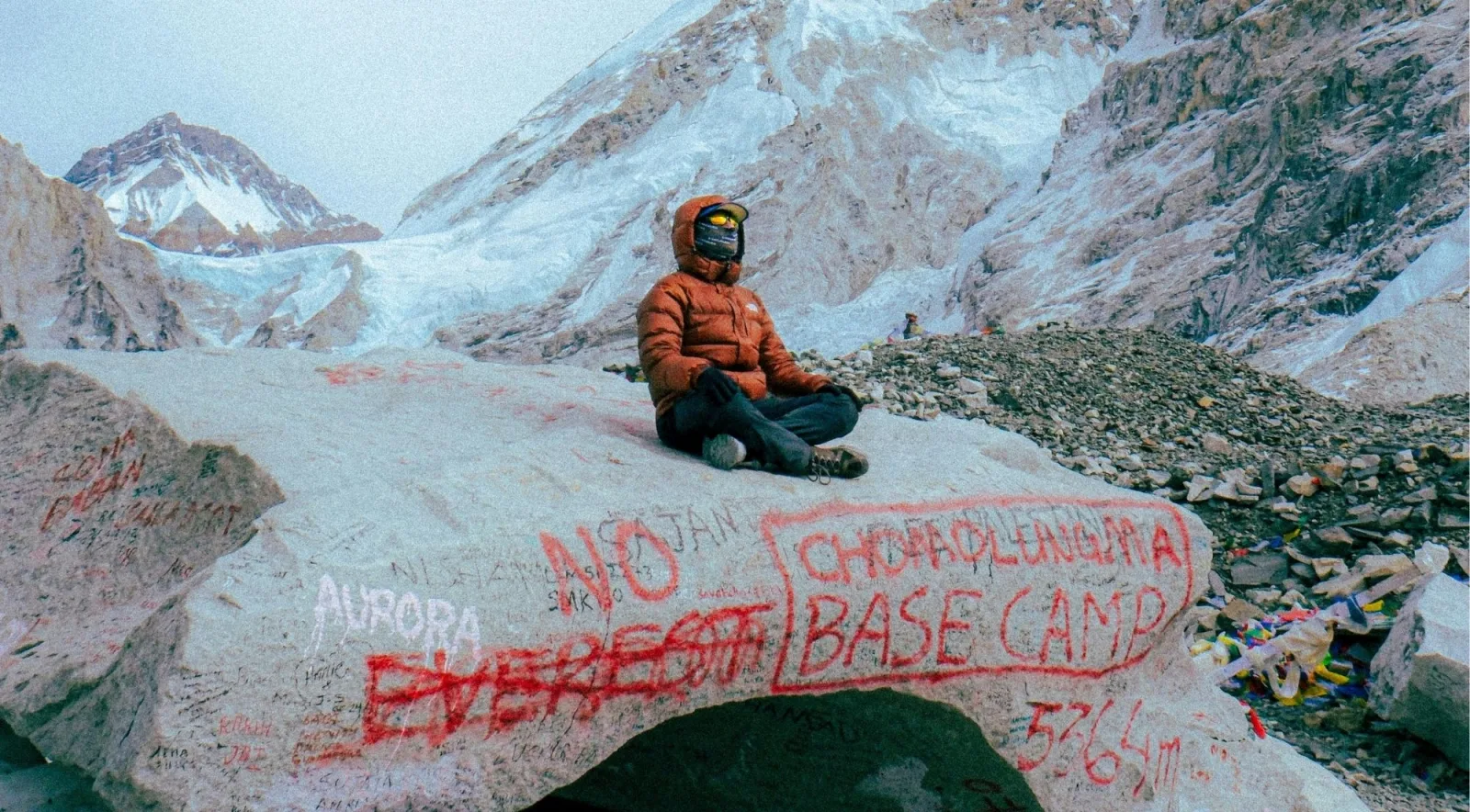
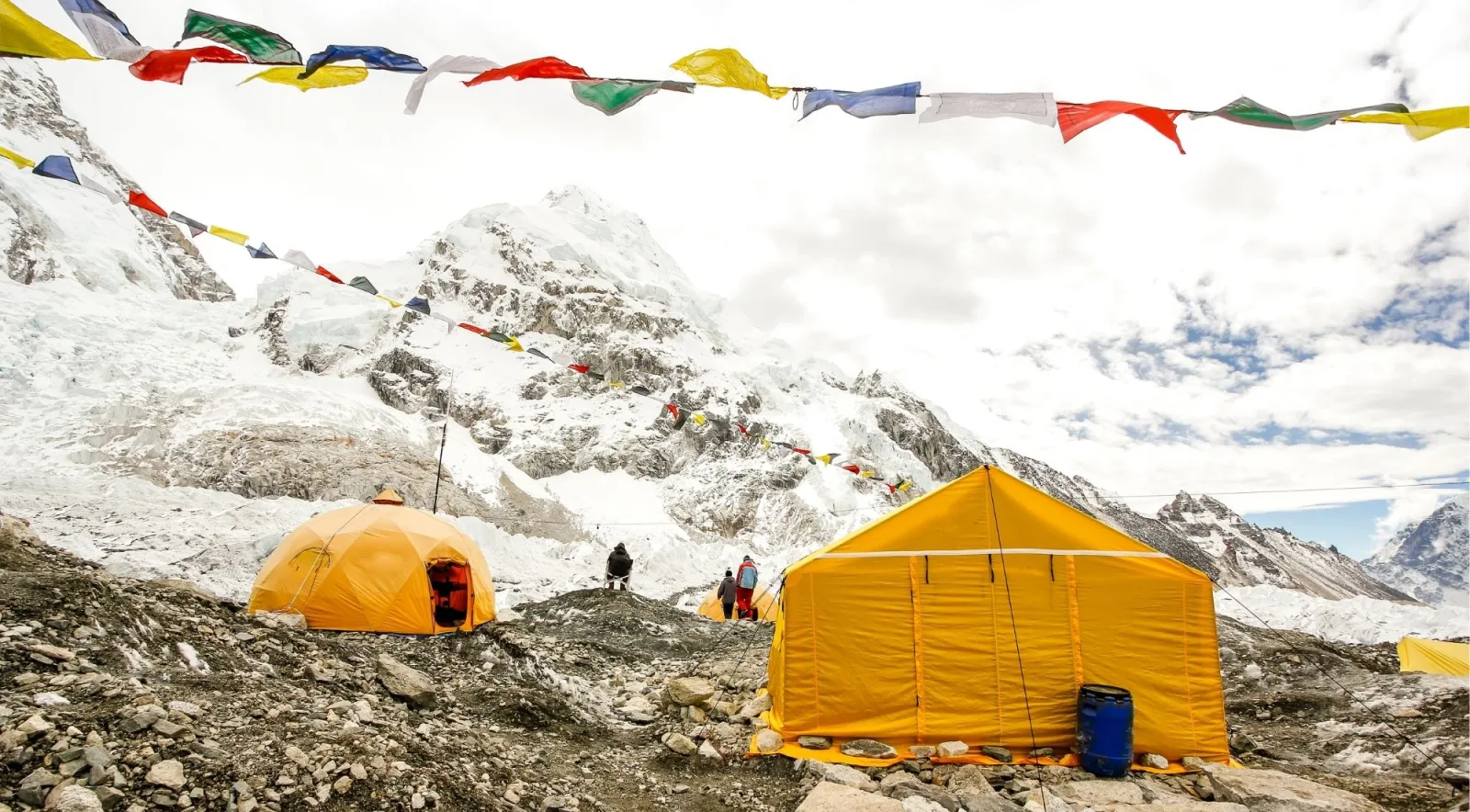
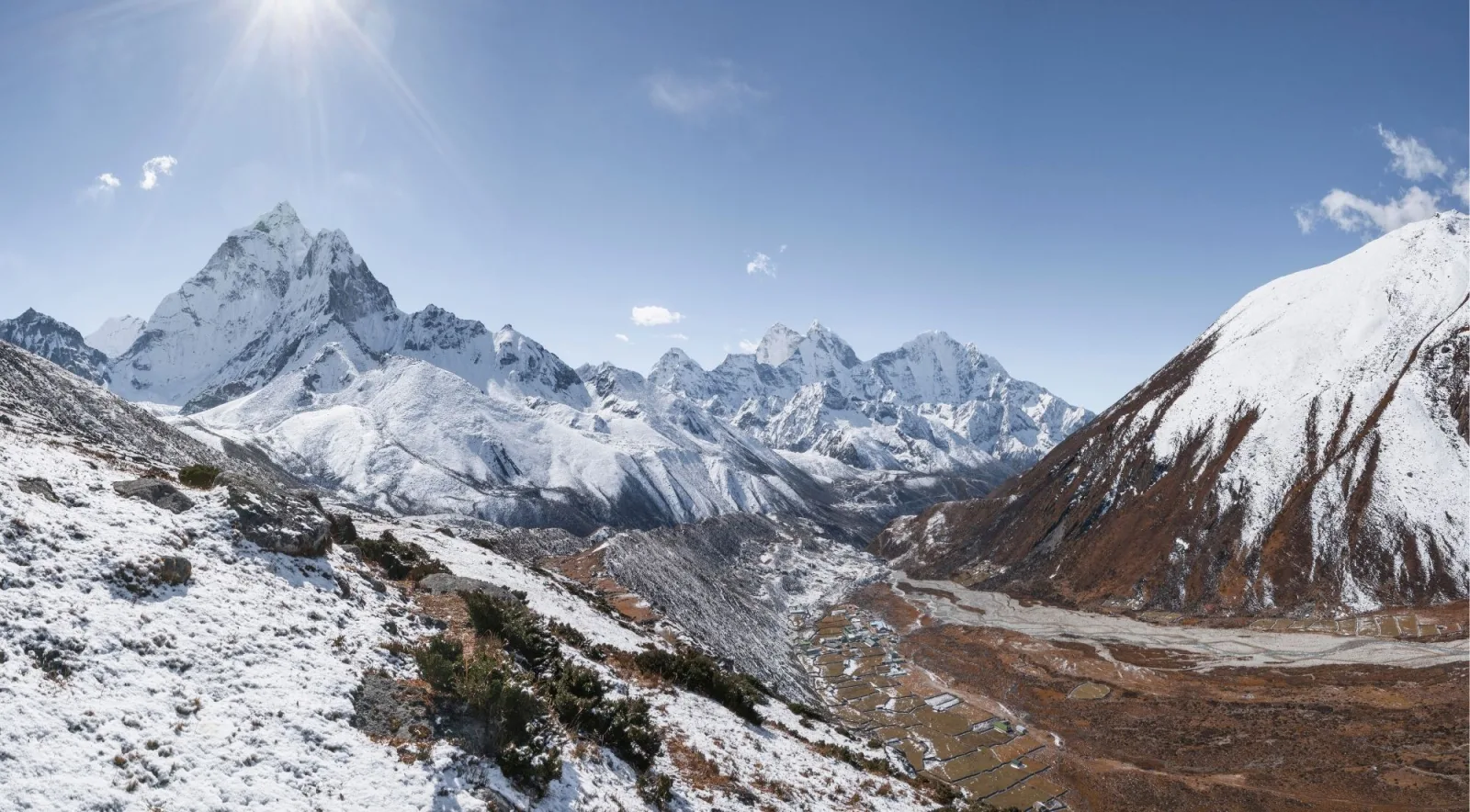
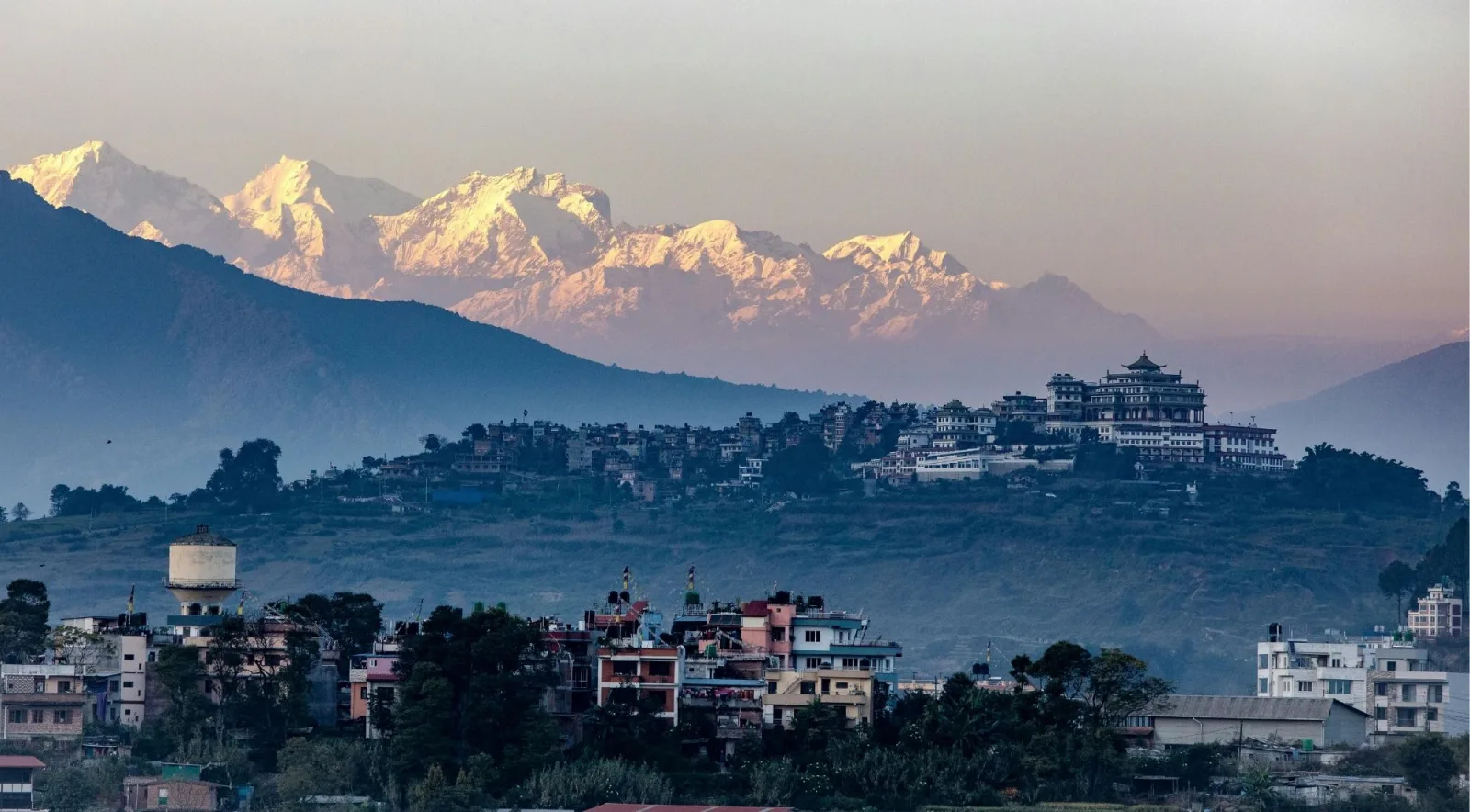
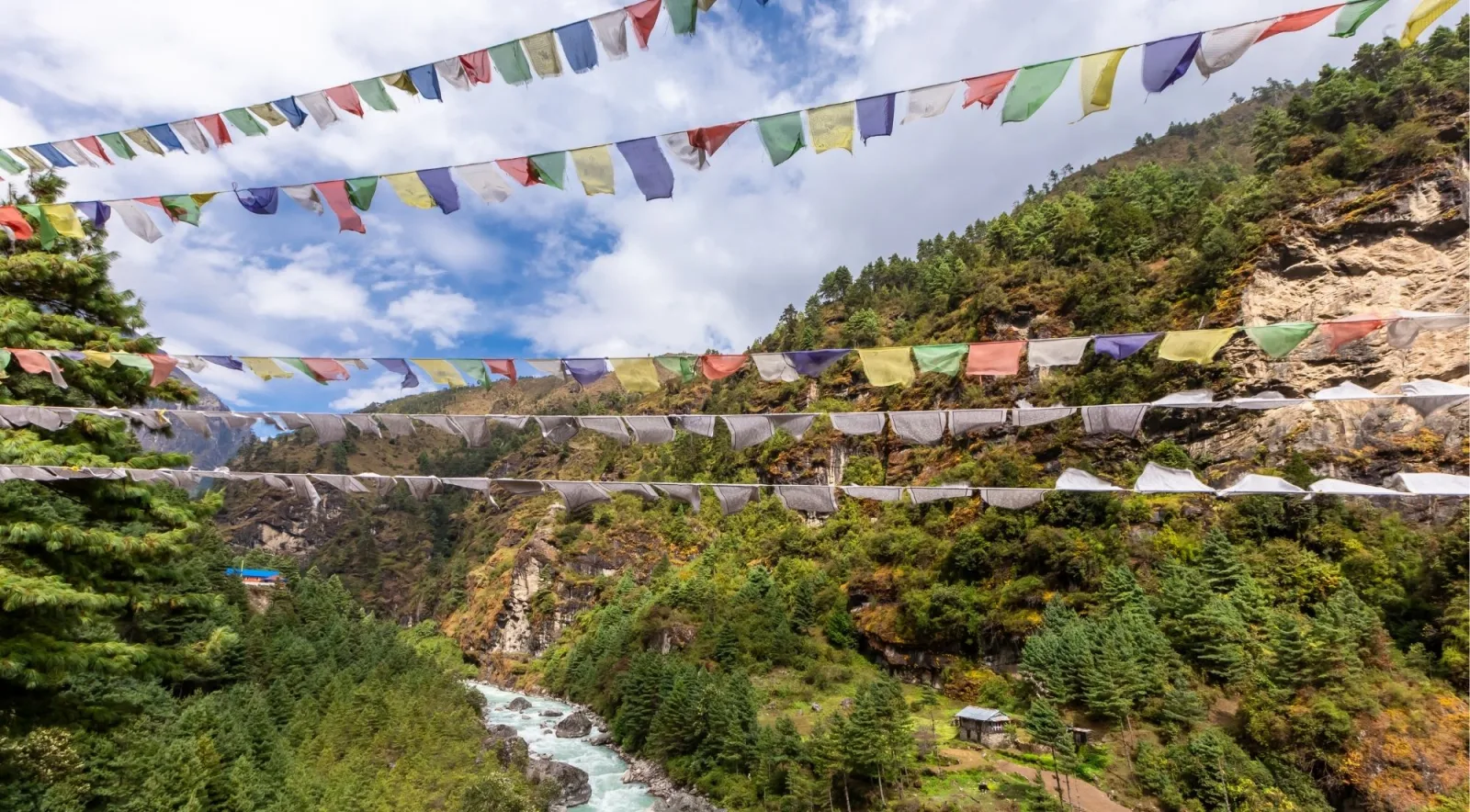
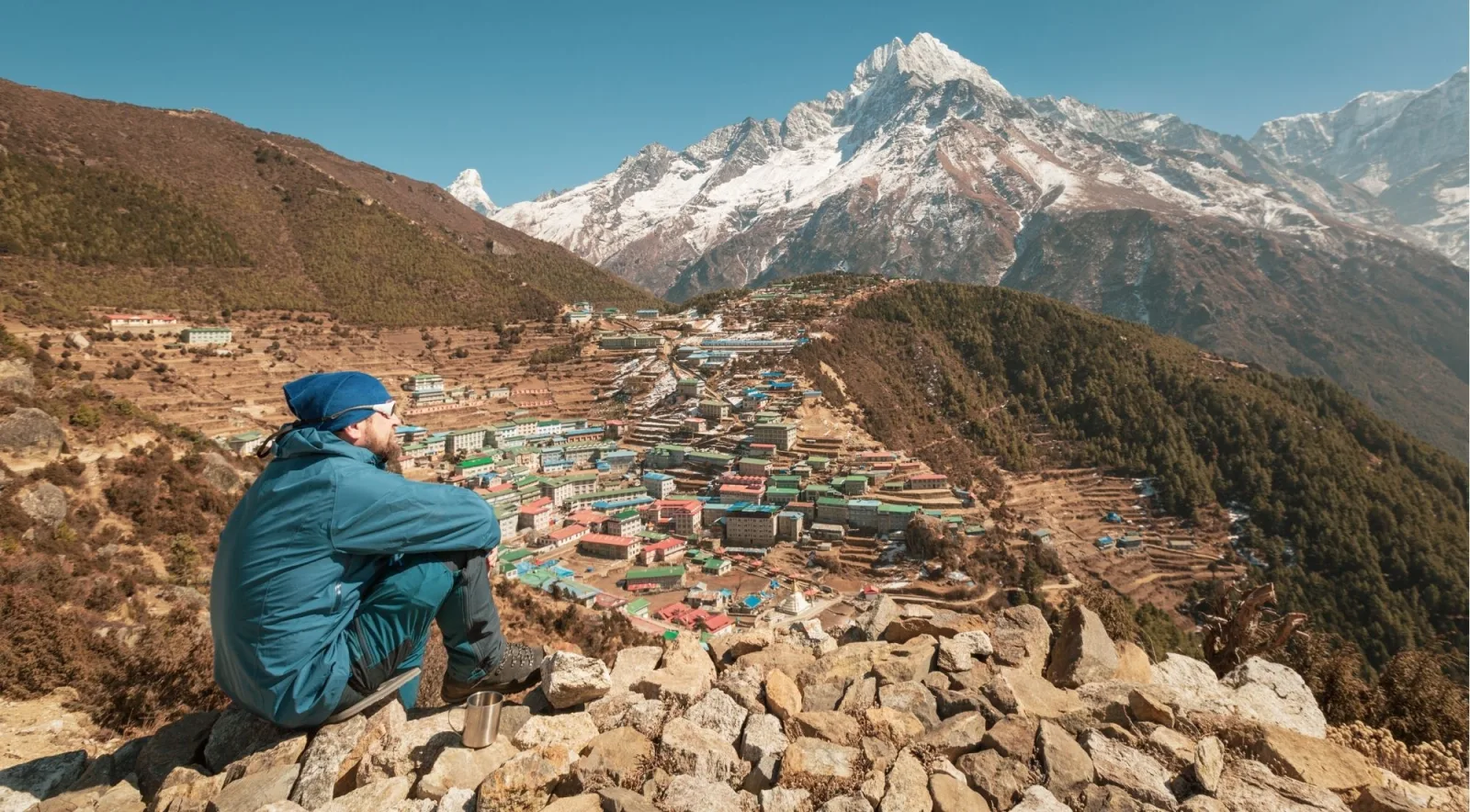
Prayer flags, glacier moraine, and the trail to Base Camp — a visual preview of the trek ahead.
Book Your Experience
Check Availability & Prices
Select your preferred date and time. Instant confirmation — free cancellation up to 24 hours before departure.
Pre-Booked Guided Trek vs Other Ways to Reach Base Camp
A licensed guide is legally required on every Everest Base Camp trek in Nepal — here's how booking ahead compares to arranging one locally.
| Feature | RECOMMENDED Pre-Booked Guided Trek | Arrange a Guide in Kathmandu | Everest Base Camp Helicopter Tour |
|---|---|---|---|
| Experience Type | Fixed departure, licensed Sherpa guide, teahouse lodging pre-arranged | Find and vet a licensed guide on arrival in Kathmandu | Single-day helicopter flyover with a landing near Kala Patthar |
| Time Required | 9-14 days, booked and confirmed before you land in Nepal | 9-14 days, plus time spent finding and negotiating with a guide | About 4-5 hours, round trip from Kathmandu |
| Standing at Base Camp | ✓ Yes — you walk in and stand at 5,364m | ✓ Yes, if the trek goes as planned | Flyover and landing near Kala Patthar only — no walk-in to Base Camp |
| Guide Vetting | Reviewed operator with verified guest ratings before you book | Unknown until you're already in Kathmandu | Reviewed operator with verified guest ratings before you book |
| Permits & Logistics | ✓ Sagarmatha National Park + municipality permits handled for you | You or your guide arrange permits after arrival | ✓ Permit and airport fees included or clearly itemized |
| Price Certainty | ✓ Fixed price shown before you book, free cancellation | Negotiated on the ground — can vary by season and demand | ✓ Fixed price shown before you book |
| Best For | First-time trekkers who want the trek confirmed before they fly to Nepal | Experienced travelers comfortable arranging logistics on arrival | Travelers short on time or unable to trek at altitude |
| Starting Price | From $981/per person | Varies — negotiated locally, typically $30-60/day for guide + porter | From $1,738/person |
| Book Now | Browse Options | View Options |
Choose Your Trek
Everest Base Camp Treks & Alternatives
From a fast-paced short trek to the full Kala Patthar summit — and a helicopter option if trekking isn't for you.
 MOST POPULAR
From Kathmandu: 12-Day Everest Base Camp Guided Trekking
 KALA PATTHAR SUMMIT
Kathmandu: 14-Day Everest Base Camp with Kala Patthar Trek
 BUDGET PICK
From Kathmandu: Guided Everest Base Camp Trek
 SHORT TREK
Everest Base Camp Trek: A Short EBC Trek to Iconic Himalaya
 NO TIME TO TREK
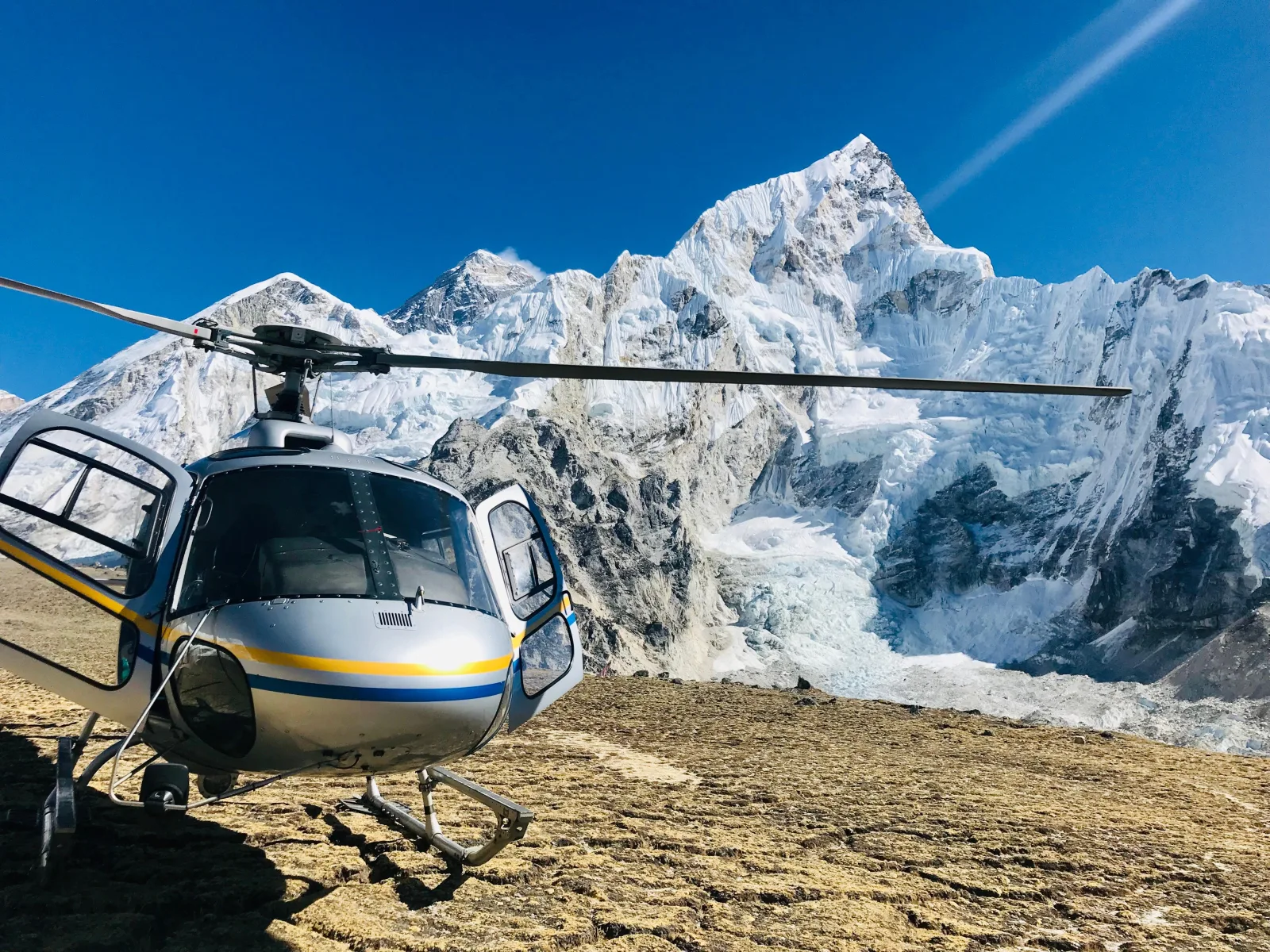
Everest Base Camp Helicopter Tour with Kala Patthar Landing
The Complete Guide
Everything to Know Before You Trek to Everest Base Camp
Route, altitude, permits, and how to choose the right itinerary for your fitness and time.
The Everest Base Camp trek follows the Khumbu Valley from Lukla to the foot of the world’s highest mountain, climbing from around 2,800 meters to the Base Camp itself at 5,364 meters over the course of nine to fourteen days. It is the single most famous trekking route in Nepal, and for good reason: no technical climbing skill is required, yet it delivers close-up views of Everest, Lhotse, Nuptse, and Ama Dablam that most people only ever see in photographs. Roughly 30,000-40,000 trekkers attempt the route each year, drawn by the same combination of accessible adventure and genuinely spectacular scenery.
The route itself starts with a short, dramatic flight from Kathmandu to Lukla’s Tenzing-Hillary Airport, regularly cited as one of the world’s most extreme airstrips — a single sloped runway wedged into a mountainside at 2,860 meters. From there, the trail follows the Dudh Koshi river through pine forest and rhododendron groves to Namche Bazaar, the unofficial capital of the Sherpa homeland and the last real town before the high country. Beyond Namche, the trek climbs through Tengboche — home to the region’s most important monastery — and on to Dingboche, Lobuche, and finally Gorak Shep, the last settlement before Base Camp. Most itineraries also add a pre-dawn side trip up Kala Patthar, a 5,545-meter viewpoint that gives a far better look at Everest’s actual summit than Base Camp does, since the peak itself is hidden behind the shoulder of Nuptse when viewed from the glacier below.
Altitude, not distance, is what makes this trek hard. The walking itself rarely exceeds five to eight hours a day on well-established trails, and porters are widely available to carry the heavy gear. What separates a good trip from a miserable one is how deliberately the itinerary handles acclimatization. Every well-built itinerary includes at least two full rest days — typically at Namche Bazaar (3,440m) and Dingboche (4,410m) — where trekkers stay an extra night without climbing further, giving the body time to adjust to thinning air. Altitude sickness, not fitness, is the most common reason trekkers turn back before reaching Base Camp, and it affects seasoned athletes as often as first-timers. A guide trained to recognize early symptoms, combined with a schedule that doesn’t rush the altitude gain, is the single biggest factor in actually finishing the trek.
Nepal now requires every trekker on this route to hire a licensed guide — solo trekking was banned nationwide in 2023 following a series of safety incidents, so this is no longer optional regardless of how experienced you are. In practice this simplifies planning rather than complicating it: every guided package on this site already includes a licensed guide, along with the two permits actually required for the route — the Sagarmatha National Park entry permit and the Khumbu Pasang Lhamu Rural Municipality permit (the older TIMS card was phased out and folded into the municipality permit). You won’t need to source these separately.
Accommodation along the way is in teahouses — simple family-run guesthouses in every village on the route, offering a private room (often with shared bathrooms at higher elevations), a hot dining hall, and basic but hearty meals built around dal bhat, the Nepali staple of rice, lentils, and vegetables that most guides recommend eating daily for sustained energy at altitude. Nights above 4,000 meters regularly drop below freezing even in the best trekking months, so a warm sleeping bag and layered clothing matter as much as physical fitness.
Spring (March to May) and autumn (September to November) are the two trekking seasons, and the choice between them comes down to what you’d rather see: spring brings milder temperatures and blooming rhododendron forests lower down the valley, while autumn — arriving right after the monsoon clears the air — usually delivers the sharpest, most reliable mountain views. Winter trekking is possible but brutally cold above 4,000 meters, and the monsoon months of June through August bring low cloud, leeches on the lower trails, and a real risk of the Lukla flight being grounded for days at a time. See our month-by-month breakdown for the full picture.
Guided package prices vary more than you might expect, from budget itineraries around $389-450 per person up to the full 14-day Kala Patthar itinerary above $1,200, with the difference usually coming down to trip length, group size, and how much buffer time is built in around the notoriously weather-dependent Lukla flights. A longer, better-buffered itinerary is not a luxury upgrade so much as insurance against the single most common reason trips go sideways: getting stuck in Lukla waiting for a flight window that never quite arrives. For travelers who want the views without the multi-day commitment, a single-day helicopter tour flies directly over Base Camp and lands near Kala Patthar — a genuinely different experience, and one worth understanding before you choose between them.
Below, you can compare every guided Everest Base Camp itinerary and the helicopter alternative side by side — duration, price, what’s included, and real guest reviews — to find the trek that actually fits your fitness, budget, and the number of days you have to spend in the Khumbu.
Guest Reviews
What Our Trekkers Say
"The trek to Everest base camp was amazing. My guide was very helpful, informative and kind. Communication from the company was prompt the entire time."
"The hikes were perfect, but the accommodation could have been better; in particular, the first and last places we stayed were very poor, with the walls of the rooms covered in mould…"
"Everything was fantastic. Hari the manager helped me to prepare for the trip. Padam my guide was brilliant. I felt very safe with Padam in a dangerous environment. It is clear that he has lots of experience and knowledge, which he shares with you. He was also always very positive and we laughed a lot, even in the difficult times. The trip is amazing. The nights are tough in December, but the sights and experiences in the daytime more than compensate for that."
"The hike was well organized, and the guide Padam was a great help and made the trip very enjoyable. The porter was always on time too, and it was an unforgettable experience! Highly recommended"
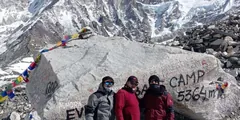
"I did the 12-day EBC trek with Nishan as my guide, and it was a fantastic experience. Everything was very well organized from start to finish, and I always felt well taken care of. Nishan was great, kind, attentive, and always adjusting the trek to my needs, which made the journey even more enjoyable. I can definitely recommend this trip to anyone planning to do the Everest Base Camp trek"
"EBC trek was an amazing adventure!!! Many thanks to our wonderful experienced guide Rohan and our "superman" Porter Bahla. We had a great time and would recommend it to everyone!! Be sure to ask for Rosan & Bahla. The quick switch from plane to helicopter due to weather conditions was also a great experience and very professionally arranged. A big 10 out of 10!!! To Nepal, and everyone we met on this trip and with whom we were able to share this experience."
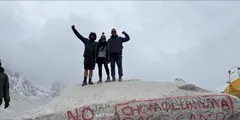
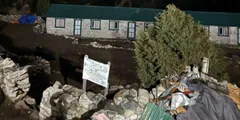
"It is a lifetime experience, it was very well organized, we had very good and friendly communication the whole time. They took very good care of us during the trek, before and after. They were also very flexible and helped us quickly with our requests, even when we needed some major changes during the trek, e.g. on the weekend, within one day, Dipendra organized a helicopter to pick us up the next day, after reaching EBC. We also experienced that it is very safe to participate, as the guide is very well informed and notices if medical help may be necessary and the company takes the necessary steps quickly if evacuation or medical help is needed. Overall, we can only recommend Welcome Nepal Trek, and this specific trek, too."
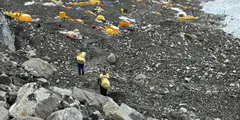
Read all 29 verified reviews
See All ReviewsTrek to Everest Base Camp — Guided, Grounded, Unforgettable
Join trekkers who rated this 12-day Everest Base Camp adventure 5.0/5. Licensed Sherpa guide, Lukla flights, and teahouse lodging included. Free cancellation up to 24 hours before departure. Starting from $981 per person.
Check Availability & BookCan't Make These Dates?
Browse More Available Options
Find a tour that fits your schedule — all with instant confirmation and free cancellation.
Frequently Asked Questions About the Everest Base Camp Trek
Everything you need to know before booking your trek.
Guided treks on this site range from around $389 to $1,270 per person depending on the itinerary length and inclusions, with a helicopter alternative from about $1,738. The 12-day guided trek from Kathmandu — our most-booked option — starts from $981 per person, including flights, permits, guide, and teahouse lodging. See our trek comparison for a full breakdown.
Yes. Nepal now requires a licensed guide on every trekking route, including Everest Base Camp — solo trekking is no longer permitted anywhere in the country. Every itinerary on this site includes a licensed guide, so this requirement is already covered.
It's a non-technical trek — no ropes, ice axes, or climbing skills required — but the altitude makes it genuinely demanding. Expect 5-8 hours of walking most days, with built-in acclimatization days at Namche Bazaar and Dingboche. Good general fitness and some hiking experience make a real difference. See our what to expect guide for a realistic day-by-day picture.
Most guided itineraries run 9 to 14 days door-to-door from Kathmandu, including the Lukla flights and 2-3 acclimatization days. Shorter 9-day treks move faster with less rest; longer 14-day versions build in more buffer for weather delays and altitude adjustment.
You'll need the Sagarmatha National Park entry permit and the Khumbu Pasang Lhamu Rural Municipality permit. The older TIMS card has been superseded by the municipality permit. All treks on this site include these permit fees in the price — you won't need to arrange them yourself.
Everest Base Camp itself sits at 5,364 meters (17,598 feet). Most itineraries also include a side hike to Kala Patthar at 5,545 meters (18,192 feet) — the viewpoint that gives the clearest sunrise view of Everest's summit.
Spring (March-May) and autumn (September-November) offer the clearest skies and most stable weather. Autumn tends to have the best mountain visibility right after the monsoon; spring brings milder temperatures and blooming rhododendrons. See our seasonal guide for a month-by-month breakdown.
The helicopter tour flies over Everest Base Camp and lands near Kala Patthar in a single day — no walking required — but you don't set foot at Base Camp itself. Trekking takes 9-14 days and lets you actually stand at Base Camp and experience the Khumbu villages along the way. See our trek vs helicopter comparison.
Layered warm clothing, sturdy broken-in hiking boots, a sleeping bag rated for sub-zero temperatures, sunglasses, and sunscreen are essentials — nights above 4,000m regularly drop below freezing even in trekking season. See our full packing list guide.
Almost every itinerary starts and ends in Kathmandu, with a short scenic flight to and from Lukla bookending the walking portion. A few options (like the Lukla-start trek) exclude the Kathmandu-Lukla flight so you can book it separately.
Yes — altitude sickness is the most common reason trekkers turn back before Base Camp. Every guided itinerary here builds in dedicated acclimatization days, and your guide is trained to recognize early symptoms. Walking at a steady pace, staying hydrated, and being honest with your guide about how you feel are the best prevention.
Most operators listed here can add acclimatization or buffer days on request — useful if you want a gentler pace or extra insurance against Lukla flight delays. Message the operator through GetYourGuide after booking to discuss changes.
Still have questions? Email us at info@everest-base-camp-treks.com